Introduction
Winter, with its cooling welcome, often casts a spell of stillness over the landscape. However, as the season starts to wane, a transformative charm unfolds-- an ethereal shift that marks completion of winter season and the gentle arrival of spring. This short article will explore "The Serene Landscape at Winter's End: A Journey into Peace," delving into the serene scenes that emerge during this seasonal shift.
In our journey through these peaceful landscapes, we'll go over different elements of photography that encapsulate this shift. From long exposure photography of melting ice to self-portrait art in photography in the middle of nature's developing canvas, this expedition intends to capture the essence of winter season's end through the lens of artistry and observational skill.
The Peaceful Landscape at Winter's End in Photography
Understanding Seasonal Shift in Photography
Seasonal shifts provide professional photographers a chance to catch nature's ever-changing state of minds. The shift from winter season to spring is one of extensive appeal and psychological depth. During this time, landscapes transform drastically-- frozen lakes start to thaw, revealing soft reflections on their surfaces.
What makes seasonal shifts considerable in photography?
Capturing these minutes permits us to reveal the ephemeral charm of nature. Photographers can depict themes of solitude in nature through reflective figures roaming across melting ice or silhouettes against increasing suns.
Frozen Lakes: A Canvas for Creativity
Exploring Lake Photography Techniques
Frozen lakes present special challenges and opportunities for photographers. The plain contrast between ice and water produces stunning visual narratives.
- Black and White Photography: Making use of a black and white aesthetic can highlight textures and types, allowing for a classic portrayal. Long Exposure Photography: Capturing a long direct exposure shot can reveal motion within stillness; the melting ice becomes fluid under a soft early morning light.
Melting Ice: A Symbol of Change
Documenting Melting Ice in Photography
As temperature levels increase, ice begins to melt-- this improvement acts as a metaphor for modification itself. Documenting this procedure not just captures a minute however likewise informs a story.
- Moody Environment: The environment throughout this stage is typically moody; catching it requires sensitivity and awareness of natural light. Transitional Photography: This category reflects the liminal space between seasons, showcasing both fading types and emerging life.
Backlit Shapes Against Increasing Suns
Creating Ethereal Backlit Portraits
Photographers can harness strong backlighting by positioning subjects against increasing suns or soft morning light. This strategy develops striking silhouettes that evoke emotion.
Why are backlit shapes effective?
They draw attention to shapes instead of information, permitting audiences to experience an emotional connection with the scene. Using transparent figures includes layers to compositions, making them more engaging.
Silhouette Art in Nature Photography
Crafting Minimalistic Structure with Silhouettes
Minimalistic structure invites audiences to concentrate on necessary components without distraction. In silhouette art, this implies isolating subjects within large landscapes.
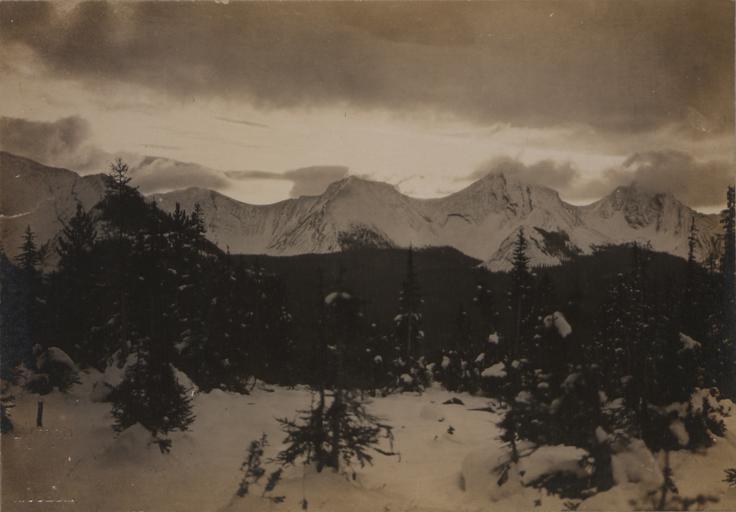
- Figure in Movement: Catching figures moving across frozen lakes can develop vibrant compositions. Blurred Lines: Using soft focus methods together with silhouettes introduces a dreamlike quality that improves narrative depth.
Reflections on Water: Capturing Serenity
Soft Reflections in Nature Photography
Reflective state of minds are important when exploring tranquil landscapes. Water surfaces mirror environments beautifully, boosting compositional balance.
How do reflections effect photography?
Reflections introduce proportion or contrast within images-- an unified blend normal in art photography illustrating nature's wonders.
Using Long Exposure Methods with Water and Ice
Implementing long exposure methods transforms regular scenes into fascinating artworks:
Capture blurred lines where water meets ice. Emphasize ethereal qualities by allowing movement over time to manifest visually. Create soft reflections that welcome contemplation.The Subtle Appeal of Shadows on Ice
Fading Types: The Play of Shadow and Light
Shadows develop depth in photos-- they include intrigue and lead viewers' eyes throughout the frame:
- Use shadows on ice intentionally; they boost texture while using context about the time of day. Explore disappearing shadows as they progress with altering sunshine throughout winter's end-- a poetic representation of transience.
Dawn Photography: Welcoming Early Mornings
The Magic Hour: Recording Soft Morning Light
Dawn uses distinct lighting conditions for professional photographers looking for harmony:
What characterizes dawn photography?
The soft morning light produces a nearly magical aura-- ideal for capturing peaceful landscapes at winter's end:
Plan trips around dawn for optimal lighting. Observe how colors shift from dark blues to warm golds as dawn breaks. Use natural light artistically; integrate it into compositions thoughtfully.Self-Portrait Art Amidst Nature's Splendor
Artistic Self-Expression Through Reflective Figures
Self-portraiture blends personal story with environmental storytelling:
How does self-portrait art show one's journey?
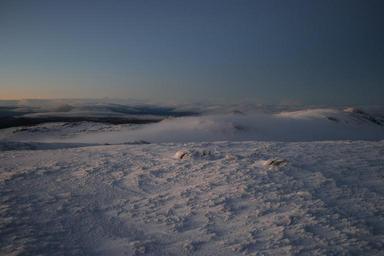
Positioning oneself versus serene backdrops cultivates introspection-- permitting deeper connections between artist and landscape:
Utilize wool coats or long coat shapes; they signify heat amidst cold environments. Experiment with settings like frozen lakes or misty mornings-- the resulting images convey privacy while celebrating nature's beauty.Exploring Surreal Landscape Photography Techniques
Creating Dreamlike Quality with Art Approaches
Surreal landscape photography invites viewers into creative realms-- the juxtaposition of truth with dreams mesmerizes attention:
What elements add to surrealism in landscape imagery?
Consider aspects such as:
Ethereal compositions blending water and ice together. Unique angles showcasing seasonal contrasts dramatically. Use minimalistic designs emphasizing voids along with bold focal points.Contemplating Solitude in Nature Through Imagery
Finding Solace Within Serene Landscapes at Winter season's End
Nature uses extensive minutes for reflection-- a space where people discover calmness amidst turmoil:
Why is solitude essential in photographic exploration?
It allows artists to link deeply with their environment-- the silence magnifies feelings evoked through artistry:
Capture fleeting minutes where time stalls-- these ended up being cherished memories showed through photographs. Explore peaceful corners within extensive landscapes revealing hidden treasures waiting patiently for discovery.FAQs
1. What equipment is best for capturing winter landscapes?
To capture sensational winter landscapes, consider using DSLR or mirrorless electronic cameras coupled with wide-angle lenses for expansive views in addition to polarizing filters to enhance color vibrancy amidst snow-covered scenery.
2. How do I accomplish good lighting during dawn?
Arriving early ensures you're ready when golden hour strikes! Display climate condition ahead; overcast skies might yield softer diffused lighting while clear skies offer dramatic contrasts-- both similarly enchanting!
3. Is black-and-white photography ideal for catching winter season scenes?
Absolutely! Black-and-white photography highlights textures discovered within snowy terrains while developing timeless visual stories highlighting nature's stark contrasts beautifully!
4. What role does post-processing play after capturing photos?
Post-processing improves recorded images enabling photographers higher creative control over final presentations-- modifications like contrast levels help represent desired atmospheres effectively communicating intended emotions behind visuals!
5. How can I improve my abilities in long exposure photography?
Practice is essential! Experiment utilizing tripod setups integrated with differing shutter speeds focusing on different subjects (like streaming water) up until mastery comes naturally resulting breathtaking shots worthy sharing proudly!
6. Can self-portraits communicate emotions successfully within nature?
Indeed! Self-portraits immerse audiences into personal journeys fostering credibility-- fascinating stories unfold beautifully through thoughtful inclusion contrasting one's presence versus stunning natural backdrops!

Conclusion
As we traverse "The Serene Landscape at Winter's End: A Journey into Calmness," we find extensive connections in between nature's rhythms and our own internal dialogues recorded through thoughtful photography methods-- from black-and-white looks exposing surprise truths within icy surfaces to ethereal portraits conjuring up reflective state of minds amid moving seasons.
This exploration advises us how necessary it is not simply experiencing these changes but also getting involved actively https://creativecatalyst101.timeforchangecounselling.com/large-canvases-that-command-attention-in-any-room-setting within them creatively expressing our distinct point of views motivated by fleeting minutes surrounding us daily!